What is an aluminum cylinder tube?
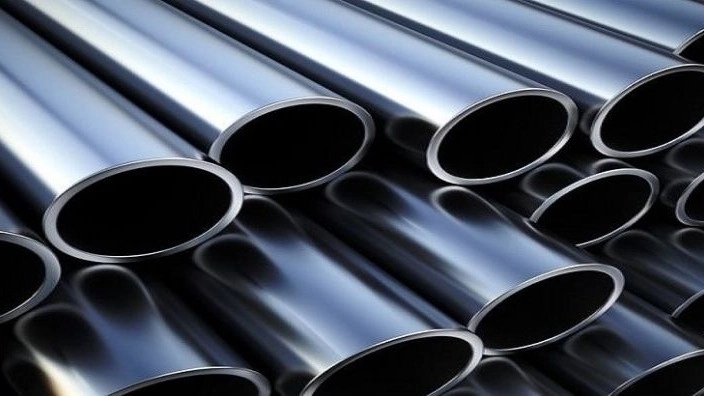
Aluminum cylinder tube is a hollow, stretched cylindrical structure made solely from aluminum. This type of tube is widely used in various applications, including the manufacture of lightweight structures, the manufacture of hydraulic or pneumatic cylinders. Aluminum materials provide excellent cylindrical tube with good quality resistance, high weight -to -weight ratio, and thermal conductivity. It is also a good option because of its easy -to -afford and machining capabilities that help its affordable compared to other materials. Turns for decorative and architectural purposes. Overall, aluminum cylinder pipe is a versatile and reliable solution that can meet the needs of a wide range of industries and applications.
What is the aluminum tube used for?
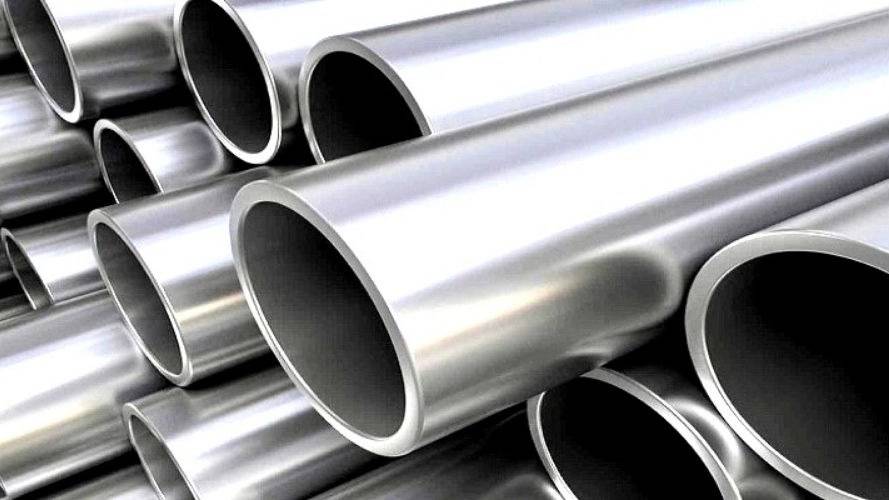
Aluminum is one of the most common weight metals used in its affiliated engineering and engineering industries and ranks second after steel. It is a very versatile substance that has some excellent properties about durability and durability. Thanks to the strength to weight -to -weight ratio, aluminum can be made through traditional rolling processes as well as extruding. This means that aluminum pipes can be made for both precision and affordable. Compared to steel, aluminum has two other distinct advantages, strength and corrosion resistance. While the steel is stronger in each volume, for example, a steel rod is stronger than an aluminum rod, the steel has a much lower weight -to -weight ratio. In real conditions, if two structures were designed for the same load, but one aluminum and the other made of steel, one of the aluminum was larger in size but weigh less than half of the steel.
How are aluminum cylinders made?
Aluminum comes from a mineral called alumina, which is mainly composed of aluminum oxide and some rare pollutants. The melting process is completed using the arc furnace and allows oxides to reach the surface. Pure aluminum is separated from the bottom. After purification, processes are used to introduce new alloy elements that make a lot of changes in the temperature depending on the need. From here the material is poured into the bullion or rib.
The extruded process includes:
- انتخاب و بارگذاری قالب مناسب لوله، که بستگی به اندازه و شکل مورد نیاز دارد، قالب ها روغن کاری شده و در برخی موارد با آب خنک می شوند.
- راب آلومینیومی از قبل گرم می شود، این به فرآیند اکستروژن کمک می کند و عیوب سطح را کاهش می دهد، آسیب به قالب ها را کاهش می دهد و اشکال پیچیده را آسان تر می کند.
- حلزون گرم شده در محفظه اکستروژن بارگذاری می شود.
- قوچ های هیدرولیک راب را وارد قالب اکستروژن می کنند، که بسته به جنس و شکل، از ۱۰۰ تا ۱۵۰۰ تن نیرو استفاده می شود.
- آلومینیوم، به طول برش داده می شود و اجازه می دهد تا دمای اتاق خنک شود.
The usual applications of aluminum tube
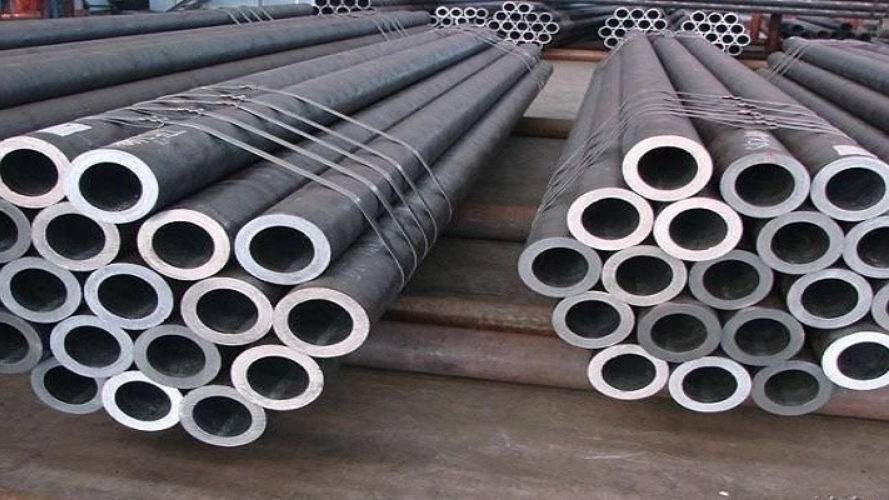
The aluminum weight resistance ratio makes it useful for any industry that is a key factor. Aluminum tubes are usually not as common as steel or stainless steel pipes, but there are a few common uses:
Aerospace: Almost all commercial aircraft use aluminum for structural components
Motor exercise: Aluminum is used in a variety of brackets, tanks and thermal shields
Mastation: Aluminum towers and structures are usually used in lighting and masts to create lightweight and easy -to -portable sets.
Air Conditioning: From AC to industrial units, aluminum pipes are often used due to light weight, thermal conductivity and corrosion resistance.
Process Plumbing: In adjustments used nitrogen or helium, aluminum tube is often used to handle low and medium pressure systems.
The difference between cylinder pipe and aluminum cylinder pipe
The pipe is generally used to carry liquids and gases and the cylinder pipe is used to manufacture the frames and other components. Another distinction is that the tube is measured with an inner or nominal diameter and the degree of pressure, and the aluminum cylinder tube is determined by the outer diameter and thickness of the wall. These two points are the consequences of using liquids and gases. In addition, the pipe is just round, aluminum pipes can be round, oval, square, rectangular and many other forms. This is another benefit of aluminum. Its high resilience allows for the production of complex shapes.
The benefits of aluminum pipes
Aluminum alternatives generally include steel, stainless steel and titanium, aluminum has the advantage over all three.
Lighter: Aluminum is lighter than steel, stainless steel and titanium
Powerful: Aluminum has a higher weight -to -weight ratio than steel and stainless steel, which is great for lightweight applications with high stress.
Corrosion -resistant: While steel is cheaper than aluminum, any outdoor product is used by staining or galvanized
Making requires secondary payment, aluminum is resistant to corrosion in most applications.
Cheaper: Aluminum is significantly cheaper than titanium, another corrosion -resistant style alloy
Types and degrees of aluminum cylinder pipe
two common grade for aluminum tubes are:
Aluminum 2: High -strength alloy that is commonly used for sidewalks, platforms, cover plates and truck bands.
Aluminum 2: Although it is not as strong as 1, it is more suitable for complex extrusion, meaning that it is ideal for air cylinders (thin walls), furniture and frames.
Thanks to the high hammering, aluminum can be made in very different forms that may be more manufactured and manufactured than steel or stainless steel.
Cylinder Pipe: Used to carry liquids and gases.
Round Tube: Used for framework in commercial or cosmetics.
Rectangular Tube: It is often used for lightweight and bracket industrial frameworks.
Square Tube: It is also used for industrial frames as well as chassis and motorsport brackets.
Oval Pipe: Usually used in architectural applications.